
Top digital marketing agency in India
In today’s world, driven by social media, online presence, algorithms, and search engine rankings. It becomes crucial to be online. If you are a small start-up trying to beat the competition and stand up, or a big firm aiming to scale online and boost your branding and sales, it becomes compulsory to rank higher on Google and have a strong digital presence. Everyone trusts a company with engaging content and a high number of followers on Instagram, or a website that comes on 1st page of Google, isn’t it? If you are searching for, the top digital marketing agency in India, you have come to the right place, HAE Digital Marketing Pvt Ltd is a stop solution for your all digital marketing needs. Why choose HAE Digital Marketing Company? There are thousands of digital marketing agencies in every city, so you choose us only? The answer is simple, everyone wants to leverage their important tasks to someone who works like their own work. Our team is dedicated to result-oriented work. We provide all services like; Therefore, we are a stop solution for all of your online marketing needs. Not only this, but Our major focus is how can we derive the best results for our clients. We provide transparent, result-oriented work, with measurable outcomes using detailed analytics, ROI tracking, and consistent reporting. Our team of strategists, graphic designers, video editors, SEO specialists, digital marketing experts, and website developers collaborate to give the desired results to our clients. We worked with various industries With 200+ campaigns delivered and a growing portfolio of satisfied clients, HAE Digital is one of the most trusted names in the Indian digital space. Are you ready to start full digital service marketing agency? Ready to grow online with experts by your side ?📞 Book your free consultation today at: +91-9289765898📧 Contact: info@haedigital.com🌐 Visit: www.haedigital.com
SEO (Search Engine Optimization): Everything You Need to Know
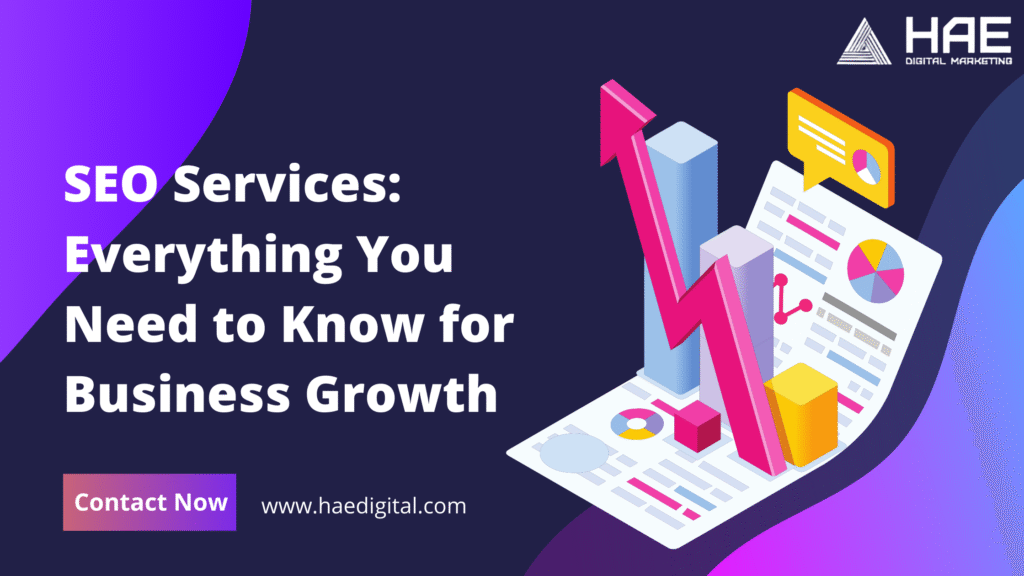
Understanding SEO and Its Importance SEO (Search Engine Optimization) is the process of improving a website’s visibility on search engines like Google, Bing, and Yahoo. By optimizing content, improving website structure, and leveraging keywords, businesses can attract more organic traffic. In today’s digital landscape, appearing on the first page of search engine results can make or break a business. Whether you’re a business owner, marketer, student, or SEO expert, understanding SEO services is crucial. This guide will walk you through the fundamentals of SEO, from basic concepts to advanced strategies, ensuring you stay ahead of the competition. SEO is crucial because it increases website traffic, boosts brand visibility, enhances user experience, and generates leads and conversions. By implementing SEO best practices, businesses can establish authority in their industry, outperform competitors, and reach a broader audience. With billions of searches conducted daily, optimizing your website for search engines ensures that potential customers find your products and services when they need them the most. Types of SEO: On-Page, Off-Page, Technical, and Local SEO There are several types of SEO, each serving a unique purpose in improving a website’s search rankings. On-Page SEO focuses on optimizing individual web pages through keyword optimization, high-quality content creation, meta tags, and internal linking. By ensuring that web pages are structured effectively, businesses can improve readability and enhance user engagement. Off-Page SEO, on the other hand, involves actions taken outside of your website, such as backlink building, social media marketing, influencer collaborations, and guest blogging. By acquiring high-quality backlinks from authoritative websites, businesses can increase domain authority and credibility in their industry. Technical SEO enhances website structure and performance, ensuring that websites load quickly, are mobile-friendly, and have a secure HTTPS protocol. Search engines prioritize websites that offer a seamless user experience, making technical SEO essential for ranking higher. Local SEO targets location-based searches by optimizing Google My Business listings, managing local citations, and encouraging customer reviews. For businesses that rely on local customers, such as restaurants, law firms, and healthcare providers, optimizing for local searches ensures higher visibility within their service area. How Search Engines Work: Ranking Factors and Algorithm Updates Search engines use complex algorithms to crawl, index, and rank web pages based on various ranking factors. One of the most important ranking factors is relevance, meaning that content should align with user search intent. Websites that provide high-quality, informative, and engaging content are more likely to rank higher. Backlinks play a crucial role in improving credibility, as search engines view inbound links from reputable websites as a vote of confidence. User experience (UX) is another significant factor, as search engines prioritize websites that offer easy navigation, fast load times, and a mobile-responsive design. Google also favors mobile-friendly websites, considering that the majority of online searches now come from mobile devices. Additionally, having a secure and accessible website with HTTPS encryption enhances user trust and protects sensitive data. Algorithm updates, such as Google’s Core Updates, frequently change ranking criteria, making it essential for businesses to stay informed about the latest SEO trends and best practices. SEO Strategies for 2024: Best Practices for Higher Rankings To optimize SEO in 2024, businesses must implement data-driven strategies that align with search engine algorithms. Conducting thorough keyword research using tools like Google Keyword Planner and Ahrefs helps identify high-value search terms with strong ranking potential. Optimizing content by naturally integrating keywords, using proper heading structures (H1, H2, H3), and adding images with descriptive alt text enhances visibility. Improving website speed using tools like Google PageSpeed Insights ensures that users have a seamless browsing experience, reducing bounce rates. Building high-quality backlinks by reaching out to industry influencers, engaging in guest posting, and listing businesses in authoritative directories strengthens domain authority. Additionally, optimizing for voice search by incorporating conversational phrases and long-tail keywords allows businesses to capture traffic from smart devices like Google Assistant and Alexa. With search engines constantly evolving, implementing an adaptive SEO strategy ensures long-term success and sustainable growth in digital marketing. Finding the Right SEO Agency: What to Look for in SEO Services Choosing the right SEO agency can be challenging, but businesses must partner with experts who have a proven track record. An experienced SEO company should offer transparent pricing, customized strategies, and a portfolio of successful case studies. Whether you’re looking for an eCommerce SEO agency, an SEO consultant, or SEO companies for small businesses, it’s essential to consider factors such as industry experience, client testimonials, and the ability to deliver measurable results. The best SEO agencies provide comprehensive services, including keyword research, on-page and off-page optimization, technical audits, and performance tracking. Businesses should also look for agencies that offer local SEO services if targeting a specific geographic area. By investing in a reputable SEO company, businesses can enhance online visibility, generate organic leads, and achieve long-term success in their digital marketing efforts. Avoiding Common SEO Mistakes That Hurt Rankings Many businesses make common SEO mistakes that hinder their search engine rankings. Keyword stuffing, or overloading content with excessive keywords, can lead to penalties from search engines and reduce readability. Ignoring mobile optimization is another critical mistake, as Google’s mobile-first indexing prioritizes mobile-friendly websites. Neglecting technical SEO, such as slow page speed, broken links, and poor website structure, negatively impacts user experience and search rankings. Failing to update outdated content can also harm SEO performance, as search engines favor fresh and relevant information. By avoiding these mistakes and implementing best practices, businesses can achieve consistent SEO success and maintain a competitive edge in their industry. Final Thoughts: Why Investing in SEO Services is Essential for Growth SEO is a long-term strategy that requires continuous effort and adaptation to search engine algorithms. Whether you’re a startup, a small business, or an established enterprise, investing in professional SEO services can significantly enhance online visibility and drive sustainable growth. By partnering with an expert SEO agency, businesses can optimize their websites, improve search rankings, and attract high-quality traffic that converts into customers. If you need professional SEO
Email Marketing Techniques for Blog Enterprises
Email marketing serves as one of the most successful ways for blog owners to communicate with their audience, boost traffic, and eventually monetize their content. You may speak with your readers directly using email marketing, in contrast to social media, where exposure is determined by algorithms. A few tried-and-true methods must be used by blog businesses to get the most out of this approach. 1. Create a High-Quality Email List 2. Create Captivating Content 3. Send Automated Campaigns 4. Mobile Optimization 5. A/B Testing 6. Call to Actions (CTAs) 7. Utilize User-Generated Content 8. Campaigns to Re-engage 9. Profit from Affiliate Marketing and Sponsored Content 10. Monitor and Evaluate Performance 11. Foster Valuable Relationships 12. Use Storytelling 13. Tools for Use: In summary Email marketing is a successful tactic for blog owners to expand their readership, enhance engagement, and generate revenue. Your email marketing may be optimized for optimum impact by concentrating on creating a quality list, providing tailored content, and utilizing automation and A/B testing. Email marketing may become a vital component of blog companies success by emphasizing value-driven content and regular involvement. As your email list expands and you start using data-driven tactics, it will become a valuable asset for boosting traffic, earning credibility, and generating income.
Augmented Reality in Marketing: Use Cases and Emerging Trends
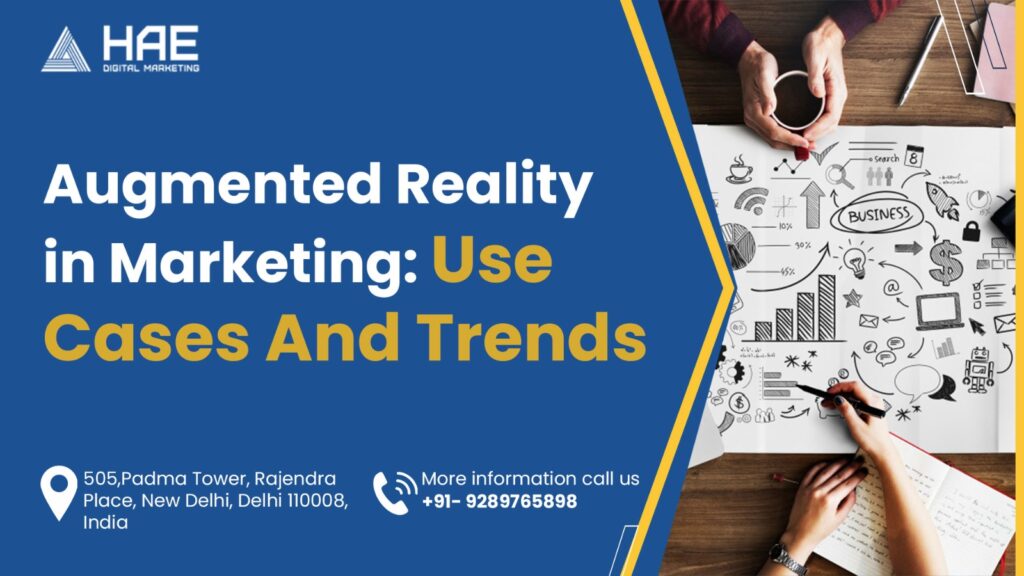
Augmented reality (AR) has emerged as a transformative technology that bridges the gap between digital experiences and real-world interactions. Marketing professionals are increasingly recognizing AR’s potential to create immersive, engaging customer experiences that go far beyond traditional advertising methods. This innovative technology allows brands to interact with consumers in more personalized, interactive, and memorable ways, fundamentally reshaping how companies communicate their value proposition. Understanding Augmented Reality’s Marketing Potential Augmented reality differs from virtual reality by overlaying digital information onto the real world, typically through smartphones or specialized devices. This unique capability enables marketers to create interactive experiences that blend physical and digital environments seamlessly. Consumers can now visualize products, interact with brand narratives, and make more informed purchasing decisions through engaging, technology-driven experiences that provide unprecedented levels of product interaction and brand engagement. Retail and Product Visualization The retail sector has been at the forefront of AR marketing innovation. Furniture and home decor companies like IKEA have developed apps allowing customers to virtually place products in their living spaces before purchasing. Cosmetic brands such as Sephora offer virtual makeup try-on experiences, enabling customers to experiment with different looks without physical product application. These applications reduce purchase uncertainty, enhance customer confidence, and create enjoyable, interactive shopping experiences that bridge online and offline retail environments. Immersive Brand Experiences Forward-thinking brands are using AR to create memorable, shareable marketing experiences that extend beyond traditional advertising. Museums and cultural institutions use AR to provide interactive historical narratives, while tourism boards create AR-enhanced city guides that transform urban exploration. Automobile manufacturers offer virtual car customization experiences, allowing potential buyers to explore vehicle features and design options in unprecedented detail. These immersive experiences transform passive marketing into active, engaging interactions. Enhanced Product Packaging and Advertising Product packaging is evolving into an interactive marketing channel through AR technology. By scanning packaging with a smartphone, consumers can access additional product information, watch brand stories, or unlock exclusive digital content. Beverage companies have created AR-enabled labels that come to life with animated stories, while food brands offer interactive nutritional information and recipe suggestions. This approach transforms traditional packaging from a static medium into a dynamic communication platform. Training and Educational Marketing AR is revolutionizing how brands approach customer education and training. Complex product demonstrations can now be conducted through interactive AR guides that provide step-by-step instructions and visual support. Technical manufacturers use AR to explain intricate product features, while service industries create immersive training experiences that help customers understand product usage. This approach not only enhances customer understanding but also reduces support costs and improves overall customer satisfaction. Social Media and Influencer Integration Social media platforms have rapidly integrated AR capabilities, creating new marketing opportunities. Instagram and Snapchat filters allow brands to create shareable, interactive experiences that leverage user-generated content. Fashion and beauty brands develop custom AR filters that enable users to virtually try products, generating organic marketing reach through social sharing. This approach transforms consumers into active brand ambassadors, extending marketing reach through authentic, personalized interactions. Emerging Technological Trends The future of AR marketing looks increasingly sophisticated. Artificial intelligence integration will enable more personalized AR experiences, while improved device technology will make AR interactions more seamless and intuitive. Wearable technology and advanced smartphone capabilities will expand AR’s potential, creating more immersive and context-aware marketing experiences. Industries from real estate to healthcare are exploring AR’s potential to revolutionize customer interaction and information delivery. Challenges and Considerations Despite its potential, AR marketing faces challenges including technological barriers, development costs, and user adoption. Brands must carefully consider user experience, ensuring AR applications provide genuine value rather than becoming gimmicky technological demonstrations. Privacy concerns and technological accessibility remain important considerations for widespread AR marketing implementation. The Future of Interactive Marketing Augmented reality represents more than a technological trend; it signifies a fundamental shift in how brands communicate and interact with consumers. By creating immersive, personalized experiences that blend digital innovation with real-world context, AR enables marketing strategies that are more engaging, informative, and memorable. As technology continues to evolve, augmented reality will undoubtedly play an increasingly central role in defining innovative, customer-centric marketing approaches. Contact Us to learn more about AI Content Personalisation.
Navigating Cultural Nuances in Blog Marketing

In order to successfully connect with a global audience, blog marketers need to be aware of cultural variations in an increasingly connected globe. By navigating these nuances, one may make sure that the information speaks to a wide range of readers and prevent inadvertent misunderstandings or offenses. Here’s how to market your blog while being sensitive to cultural differences. Recognize the Culture of Your Audience Investigate the customs, values, and cultural background of your intended audience before beginning to write content. Communication is seen differently in different cultures, therefore it’s important to know what each area views as persuasive, funny, or polite. For example, audiences in the West could value direct communication, whereas audiences in Asian cultures might value more formal and indirect communication. Advice: To properly customize your blog material, use tools such as audience analytics or surveys to learn more about the demographics of your users. Modify Language and Tone How well your blog is perceived by readers throughout the world may be greatly influenced by its language and tone. In certain cultures, using casual or informal language is acceptable, yet it may be viewed as unprofessional in others. Furthermore, idioms and slang frequently do not transfer well between languages. Advice: To ensure correct and culturally appropriate message if your blog caters to visitors who are bilingual, think about producing material in many languages or using a professional translation agency. Prevent Generalizations and Stereotypes Recognizing cultural differences is vital, but try not to generalize too much or stereotype particular groups. Stereotypical writing might come out as insulting or lazy, and instead of enticing readers, it could repel them. Rather, concentrate on global issues that appeal to a wide range of viewers, and demonstrate respect for cultural complexity. Example: Rather than presuming that everyone in a country loves the same cuisine, while writing about food, take into account regional variations within a culture. Examine Symbolic and Visual Significance Pictures, colors, and symbols are examples of visual components that can have diverse cultural connotations. For instance, white is associated with grief in certain Asian cultures and purity in Western ones. Likewise, gestures of the hand or symbols that convey a favorable message in one culture may convey a negative one in another. Advice: When selecting images, make sure they complement the audience’s cultural background. If you’re not sure, find out or speak with regional experts. Adapt Content to Cultural Contexts Content that is appropriate in one area might not be in another. Make sure that each of your target markets’ needs, interests, and trends are addressed in your blog postings. For example, buying habits in the U.S. may be very different from that in European or the Asian continent, necessitating the use of distinct strategies when discussing issues related to fashion, technology, or lifestyle. For example, a blog article regarding holiday marketing methods may need to be adjusted for places where Christmas is not extensively celebrated. Optimize for Different Audiences Make sure that the content on your blog is appealing to various ethnic groups by doing A/B testing, getting feedback, and monitoring performance indicators. This information may help you understand which themes, tones, and content types work best in each of your target locations. Refine your approach using these ideas. In Summary Building a genuinely global brand in blog marketing requires navigating cultural nuances. It is possible to provide content that connects with a variety of audiences and encourages sustained engagement by acknowledging and respecting cultural variations, modifying your tone and vocabulary, staying away from stereotypes, and employing relevant images. Accepting cultural sensitivity ensures that, regardless of the reader’s location, your blog will communicate to them in a meaningful and relevant way.
Case Studies: Successful Marketing Campaigns in the Blog Area
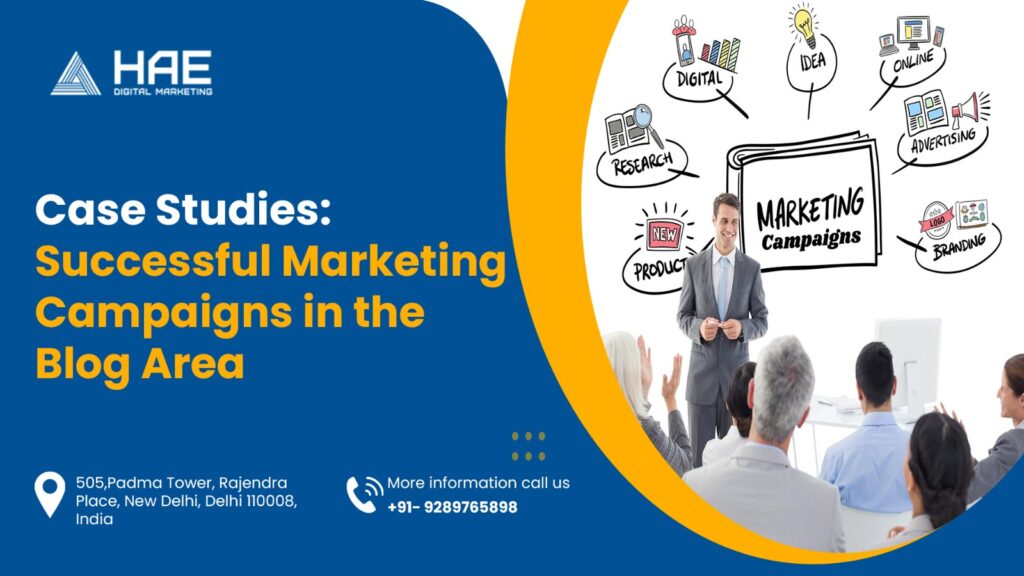
Blogging platforms are widely used for marketing efforts that highlight viewer engagement, strategic planning, and creativity. Below mentioned are case studies of effective blog marketing initiatives that made use of distinctive strategies to increase traffic, establish brand recognition, and promote long-term growth. The Success of Buffer’s Content Marketing Overview of the Campaign: The social media management platform Buffer owes a lot of its success to content marketing. Buffer concentrated on producing excellent, informative blog material that added value for their audience rather than aggressively marketing their product. Their user base grew naturally as a result of their blog being a go-to source for marketing advice, industry insights, and social media best practices. Key Strategies: Content that is both educational and value-driven: Educational and Value-Driven Content: Buffer regularly posts case studies, social media research, and how-to instructions on its blog. Through their dissemination of information, they established themselves as influential figures on social media. SEO Optimization: By concentrating on pertinent keywords, the blog entries were well-optimized for search engines, which helped them rank highly and draw in organic visitors. Guest Blogging: In order to increase their exposure, develop backlinks, and increase website traffic, Buffer also wrote guest blogs for other well-known websites. Findings: Buffer’s content marketing initiatives increased blog visits by an exponential amount. Their blog had over 1.2 million monthly visitors at one time. The blog turned into a significant source of software sign-ups, which helped Buffer establish itself as the dominant player in the social media marketing industry. The “Stories” Blog Campaign by Airbnb Overview of the Campaign: Airbnb started its “Stories” blog to showcase user-generated content from guests as well as hosts, sharing their unique travel experiences across the world. The goal of the blog’s campaign was to make the company more relatable by emphasizing individual travelogues as opposed to merely listing promotions. Key Strategies: User-Generated Content: To highlight the range and variety of experiences customers had while using the site, Airbnb invited users to upload their own travelogues. This fostered a sense of connection and tapped into the sentimental component of travel. Storytelling: The blog included narrative-focused posts that emphasized how Airbnb facilitated cross-cultural interactions, new location exploration, and memorable experiences. The stories were written to arouse readers feelings and encourage them to take trips. Global Appeal: To reach a worldwide readership, Airbnb published stories from different parts of the world on its blog. This expanded the brand’s global reach and made it possible for people from many cultural backgrounds to relate to it. Findings: Airbnb’s “Stories” campaign greatly increased brand recognition and contributed to a feeling of community among its user base. Airbnb was able to expand internationally by emphasizing user-generated tales, which enhanced its brand identification as a platform that connects cultures and experiences rather than just bookings. Conclusion According to these case studies, consumer engagement, storytelling, and value-driven content are the cornerstones of effective blog marketing initiatives. Each campaign met the demands of its target audience, whether it was via the use of user-generated content, instructive postings, or SEO optimization. This resulted in strong brand awareness, increased traffic, and conversions.
Content Marketing Ideas for Engaging Blog Audiences

In today’s competitive digital landscape, engaging your blog readership demands originality and planning. To draw in, hold on to, and interact with readers, content marketing serve as the ideal strategy. Here are a few tried-and-true content marketing strategies to draw readers to your web page and cultivate a devoted following. Generate Listicles People enjoy short, easy-to-read material. Articles with titles like “Top 10 Tips” or “5 Best Practices” are shareable and simple to read. They captivate readers with their compact approach while offering value. Use Storytelling You may increase the readability and retention of your blog material by using case studies or related tales. Create an emotional bond with your audience via narrative, and they will be more inclined to come back. Provide Everlasting Content Compose articles that will always be useful, such resource lists or instructional guides. This sort of content keeps on generating traffic even after it has been published. Content That Is Interactive Include interactive features in your content, such as surveys, quizzes, and polls, to keep readers interested. These features enhance readers visits to your site and offer insightful data about your readership. Utilize Visuals Break up text-heavy information with infographics, photos, and videos. Your postings will be more interesting and easier to share on social media with the addition of visuals, which help improve SEO. Expert Interviews and Guest Posts Bringing in guest bloggers or working with industry professionals helps your material look different. Additionally, it broadens your blog’s audience and boosts its authority. Provide Free Resources Provide valuable downloadable content such as checklists, templates, and eBooks. By providing free materials, you may get more individuals to submit their contact information and improve your email marketing campaigns. Take on Challenges Organize events with deadlines (like a “30-day fitness challenge”) to promote community involvement. These support interaction and generate buzz about your blog. Employ Social Proof To establish trust, highlight success stories, user-generated content, and testimonials. When readers see how your information has helped others, they are more inclined to interact with it. Consistently Update Old Posts Update previous blog posts with new images, information, or trends. This keeps your audience interested in the information that already exists while also enhancing SEO. In Summary A creative content marketing approach that integrates originality, value, and interactivity is necessary to engage blog audiences. You may build longer-lasting relationships with your readers, stimulate more engagement, and increase traffic to your blog by putting strategies mentioned above into practice. Continually introducing novel content types into your strategy will keep readers interested and your blog posts thriving.
Leveraging Influencer Marketing in the Blog Region

In the digital sphere, influencer marketing has emerged as one of the best strategies for growing your audience, boosting traffic, and improving brand awareness. Working with influencers may be a great strategy to increase your blog’s visibility and engagement in the blogosphere, where content is king. Here’s how to use influencer marketing strategically to increase the prominence of your blog. Find the Right Influencers The secret to success is to collaborate with the suitable influencers to draw attention to your site. Rather than just searching for influencers with sizable fan bases, concentrate on: Niche Relevance: Work with influencers whose target audience is similar to your blog’s. For example, working with influencers in the fitness industry will increase the amount of relevant and targeted traffic to your fitness-related site. Engagement vs. Follower Count: Audiences following micro-influencers are frequently more involved than those following mega-influencers. Give preference to influencers that genuinely connect with their audience since they will increase the likelihood of significant interaction on your site. Develop Authentic Content Since trust is the foundation of influencers success with their audience, each collaboration must seem real and organic. Think about the following content formats: Sponsored Posts: Ask influencers to create blog posts that suit your brand while promoting your products or services. Authenticity is essential-audiences may easily recognize manufactured or excessively promoted content. Guest Blogging: Request guest articles from influential people for your site, and ask them to share it with their followers. This encourages their fans to visit your platform in addition to bringing novel content to your page. Collaborative Content: Work together with influencers to produce collaborative initiatives like product evaluations, interviews, or co-written articles. This allows you to reach their audience while also creating high-quality, engaging content. Utilize Social Media and SEO Through social media mentions and backlinks, influencers may significantly improve the SEO for your blogs. Backlinks: You may raise your search engine rankings by having influencers link to your blogs from their postings. To improve your SEO efforts, make sure these links contain relevant keywords. Social Shares: Positive social signals are sent to search engines by influencers who share your blog content on their networks, which increases the authority of your blog by bringing in direct traffic. Conduct Giveaways and Contests Influencers enjoy organizing interactive content, and competitions or giveaways are a great way to get people talking about your webpage. Through supporting giveaways on an influencer’s social platform, you may attract new readers to the page. This tactic helps in increasing subscriber base growth and creating a vibrant community. Monitor ROI and Performance Measuring the influence of your collaborations with influencer is crucial to figuring out what’s working and what’s not. Affiliate links and UTM codes: Track the amount of traffic and conversions that each influencer generates with tracking tools. Give each of the connections they share a distinct set of UTM parameters so you can evaluate their performance accurately. Engagement Metrics: Track the number of likes, comments, and shares on posts that reference your site. Likes, comments, and shares are examples of engagement metrics which offer you a sense of how well your influencer’s audience is responding. Conversion Tracking: Keep a track of the total number of users who complete desired activities (subscriptions, purchases, etc.) after spotting an influencer’s posts. Encourage Long-Term Partnerships Establishing long-term connections with significant influencers has a greater impact than one-time influencer initiatives, even if they can still provide short-term outcomes. You may increase the likelihood that an influencer will interact with your post content over time by collaborating with them on a regular basis and getting to know their audience. Conclusion Influencer marketing gives bloggers a powerful tool to expand their business, connect with more people, and get credibility by using relevant and real voices. Influencer marketing may help you grow your blog’s audience and build a devoted readership by helping you find relevant influencers, forming real connections, optimizing your site for search engines, and monitoring your progress.
Creating Brand Awareness in Underrepresented Blog Markets

A customized strategy is required to increase brand awareness in blog markets that are underrepresented. Since these markets are frequently invisible to the general public, it is essential to stand out, establish credibility, and engage with target groups. Here’s how to successfully raise awareness of your business in these areas: Identify Your Target Market It is crucial to have a thorough grasp of the target market in underrepresented markets. Examine their hobbies, preferences, and areas of discomfort. To obtain information, employ surveys, social listening techniques, and direct feedback. You can better design your content to appeal to them if you have an in-depth knowledge of their specific demands. Develop Culturally Relevant Content Your content needs to speak to the experiences, values, and culture of the market you are trying to reach in order to establish a strong connection. Employ inclusive language, include true tales, and provide stuff that recognizes the particular difficulties or advantages faced by the community. More people will instinctively connect with content that is genuine and relevant to their culture. Engage Niche Influencers In underrepresented markets, influencer marketing may be a very effective strategy. Work together with reputable community voices who are local or specialized influencers. Their recommendations can assist you in connecting with audiences in an improved genuine and significant manner. Look for micro-influencers with devoted followers, since they have better rate of engagement in niche areas. Emphasize on Building Relationships In underrepresented markets, trust is the foundation for brand exposure. Use email newsletters, social media, and blog comments to communicate with your audience on a regular basis. Answer questions, encourage comments, and demonstrate that your company values what people have to say. More engagement is needed to develop a devoted group than just sharing your message. Collaborate with Regional or Specialized Organizations You may build credibility by collaborating with institutions, charities, or companies that are already well-established in the underserved market. These partnerships may manifest as cooperative blog entries, gatherings, seminars, or social media campaigns. These collaborations give access to a larger audience as well as reciprocal benefits. Implement Targeted SEO Strategies Generic search engine optimization tactics might not be as successful in underrepresented marketplaces. Pay attention to niche-specific keywords that correspond with the language and search patterns of your target market. Localized search terms, long-tail keywords, and culturally appropriate phrases can raise your blog’s search engine ranking and draw in targeted community visitors. Join Local and Niche Events Participate in online and offline community events. Being active at these venues demonstrates your dedication to the community, whether it’s through webinar attendance, local meetup participation, sponsorship, or presenting at an online event. Additionally, you’ll have the chance to network and build your brand among prospective clients and partners. Highlight Your Social Responsibility Commitment Customers in underrepresented markets frequently favor companies that practice social responsibility. Show your support towards the community by becoming involved in socially conscious activities. This might include making charity gifts, lending a hand to neighborhood projects, or producing content that encourages change for the better. Make sure your brand is in line with community values. Run Focused Social Media Campaigns Use social media platforms to connect with your target market where they are most engaged. Develop sponsored advertising campaigns that target underrepresented groups. Social media platforms such as Facebook and Instagram provide effective targeting capabilities to help you reach certain markets. Make sure the messaging you choose speaks to the audience’s requirements and goals. Provide Personalized Solutions Particularly in underrepresented regions, customization may be a potent differentiation. Provide goods, services, or content that are suited to the community’s particular need. Personalization fosters trust and demonstrates that your company genuinely recognizes and respects the unique demands of the target market. In Summary Building relationships, being real, and being sensitive to cultural differences are the keys to increasing brand awareness in underserved blog markets. In these areas, you may effectively carve out a niche and establish long-lasting visibility by knowing your audience, creating relevant content, interacting with influencers, and displaying your business’s social responsibility towards the community.
SEO Best Practices for Blog Businesses

In the blogging world, producing valuable material is only half of the battle. The second half is ensuring that your content reaches the intended audience. Search Engine Optimization (SEO) fills that need in this situation. Optimizing your blog to rank better on search engine results pages (SERPs) and increase organic traffic to your website is known as search engine optimization (SEO). Understanding SEO may be crucial for blog companies looking to expand their readership, engage their audience more, and eventually increase sales. Below-mentioned are a few of the top SEO practices that will help your blog company succeed. Perform Keyword Research Use tools such as Ahrefs or Google Keyword Planner to find suitable keywords. To reach both a wide and specialized audience, concentrate on long-tail and high-volume keywords. Incorporate these organically into your content. Improve Meta Descriptions & Blog Titles Create catchy, keyword-rich titles that are fewer than 60 characters to raise your rating. Provide succinct meta descriptions (less than 160 characters) that entice people to click with an explicit call to action. Develop High-Quality, Long-Form Content Search engines rank longer-form content—1,500 words and longer—better. Make sure your content is interesting, educational, and free of keyword stuffing. Incorporate multimedia (pictures, videos) to improve dwell duration and user experience. Utilize Internal and External Links Provide backlinks to reputable outside sources and pertinent internal blog entries. This enhances credibility and helps search engines in understanding the business aspect of your content. Speed and Mobile Optimization Make sure your blog loads quickly and is optimized for mobile devices. To enhance the experience of users and SEO rankings, employ responsive design, reduce code, and compress pictures. Employ Schema Markup Make your blog more visually appealing and educational on search engine results pages (SERPs) by using schema markup to add rich snippets, such as star ratings and FAQs, to the results. Monitor and Update Content Use tools like Google Analytics to monitor the success of your blog on a regular basis. To stay relevant and raise your rankings, add new content to older posts and restore broken links. Conclusion For a blog company to expand naturally and draw in more readers, search engine optimization is crucial. You may improve your site’s performance, exposure on search engines, and steady traffic by concentrating on keyword research, content optimization, and frequent blog updates. SEO is a long-term approach that needs ongoing refinement rather than a one-time effort, but when done well, it may greatly increase the rankings of your company.